Recreating Antique Bobbin Lace, Part 1: making a pattern
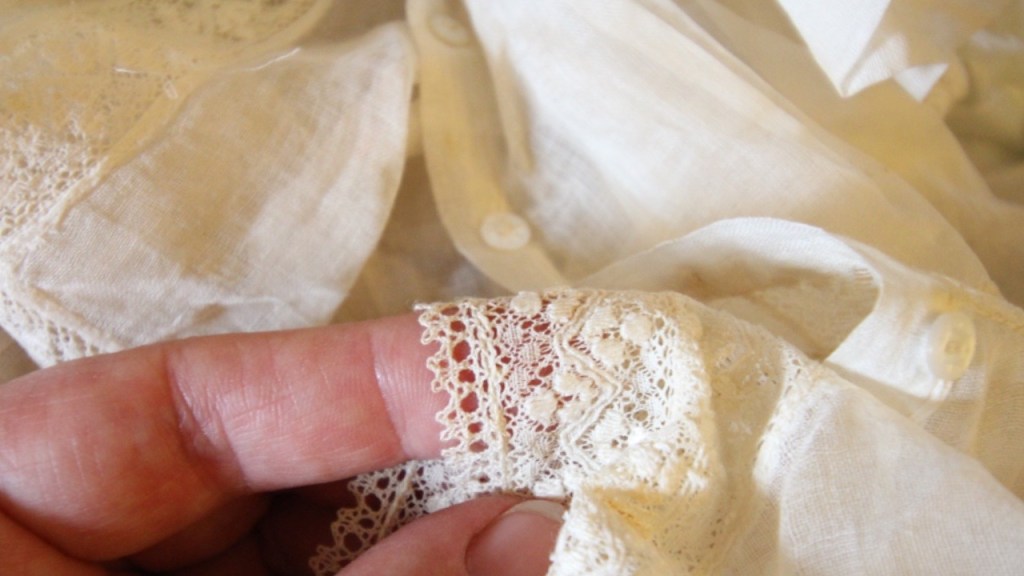
I have a ridiculous hobby. Well, I have quite a few ridiculous hobbies, but one of them is recreating antique lace from photographs or existing documents.
It is so exciting to look through old photographs in antique stores or wherever, and come across one that has a clear enough picture that I can actually recreate the lace from it. I can have really nice lace from a specific point in history, but not have to have it actually be from antique materials. So, it will be more durable, washable, and if anything happens to it I’m not destroying history.
Lately, there seems to be a growing interest in the idea of recreating antique garments using historical methods. Which is wonderful! I’ve been doing it for decades, I know other people have been doing it for decades, and I’m so happy to see new people getting excited about what materials to use, and what stitches to use, and drafting their own patterns, and all this stuff. One thing I do think is lacking however, is in lacemaking. You know, you’ve put all this effort into the reasearch of what materials to use, and how to wax linen thread, and which stitches are appropriate, and doing the entire thing by hand, … and then just kind of find some lace and sew it on. It’s just sad to see something that you’ve worked so hard to get so authentic, and then have to kind of backtrack on that last step. Lace has a code and status of its own throughout history. Sumptuary Laws have been made to regulate it. There were lace smugglers and lace blackmarkets. Lace patterns and materials would have communicated wealth, standing, and nationality, all of which were “read” by people of the time. (And, yes, there will be a more in-depth look into this at a later date.) When someone buys polyester, nylon, or even fluffy cotton lace, with no idea of what to look for, they end up with a contradiction in their final product. You end up with silly things like modern Torchon Bobbin Lace on a 16th century Venetian gown. Gasp! Haha, it can sound silly and nit-picky, but if you are going for Historically Appropriate, want to take your results to the next level, or just want to add a touch of history to a modern item, then it’s worth knowing, and can be quite satisfying.
So what I’d like to do is help bridge that gap. Now, before I get too far into this, I do want to say that using what’s available to you is absolutely fine. The level of historical accuracy that you want to strive for is entirely up to you. Everybody has a different view of what’s historically accurate, what’s historically appropriate, and what they’re shooting for.
So, this is what I’m going show you now. Instead of a photograph, I have this beautiful little trim from an Edwardian tea dress. I made a video exploring the stitches, materials, and sewing techniques used to make it this dress, and while I was taking such a close look, I noticed a narrow, handmade bobbin lace trim along the collar. I got excited because it looked simple enough that I could use it as an introduction to re-creating bobbin lace patterns from a real source, that would be relatively easy to follow and understand, even if you are very new to lacemaking.
This specific pattern would be appropriate for anything of that era, that kind of 1910-1915 era, but it’s also simple enough that it would work going back all the way to maybe early to mid 1800s, and of course, anything more modern as well.
Now, there are probably a million ways to go about this. But this is my way. If you choose to do this again, on your own, feel free to use this system, or come up with one better suited to you. Enjoy! (If you would like to skip the “How To” and just purchase the pattern, it is in the shop.)
 Bryce Adams